

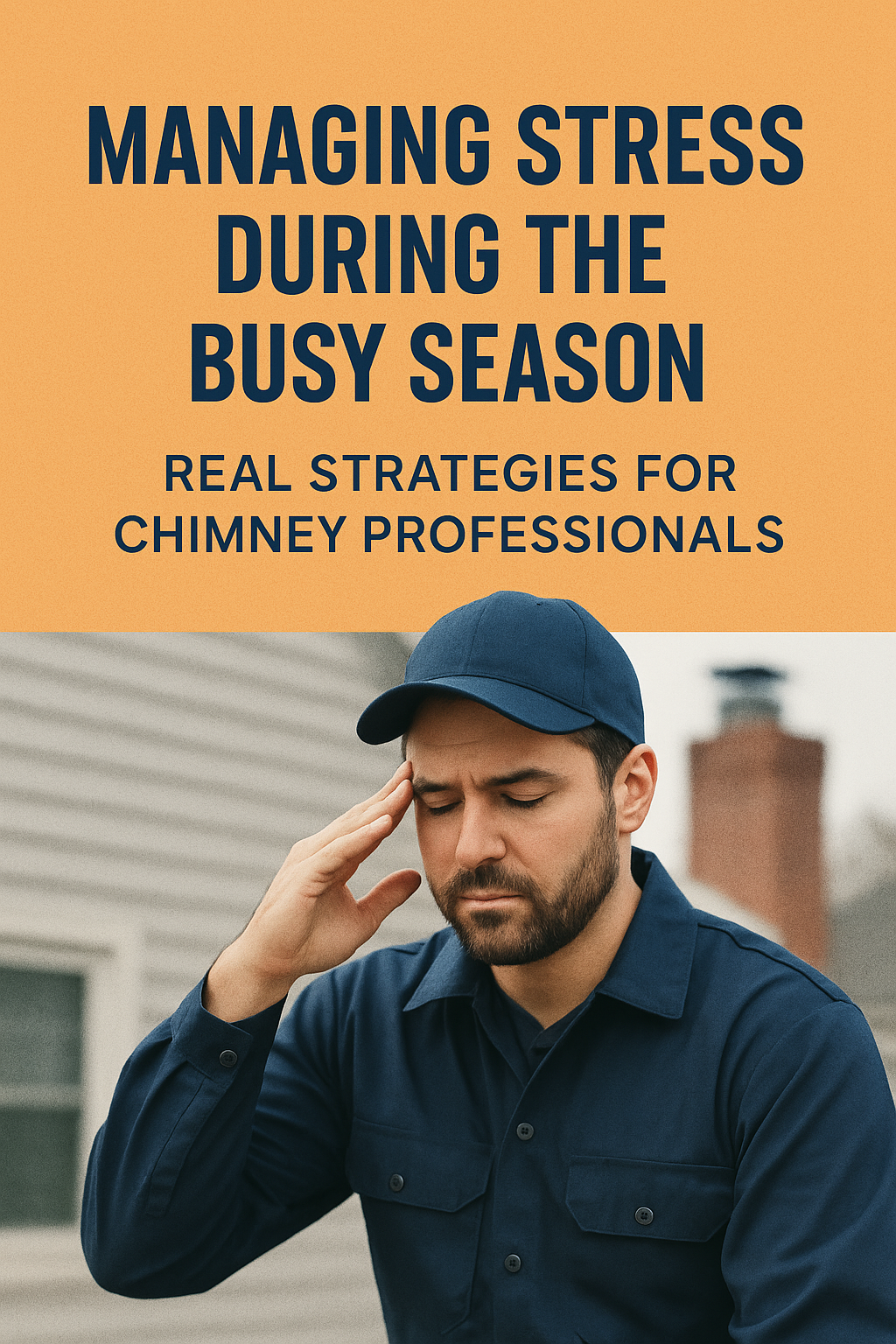
🔥 Managing Stress During the Busy Season: Real Strategies for Chimney Professionals The busy season in the chimney and inspection world can feel like a marathon - long hours, nonstop calls, and the constant pressure to keep up with demand. While it’s a great problem to have, it can take a real toll on focus, patience, and health if left unchecked. Managing stress isn’t about pretending the workload is easy - it’s about building habits that help you stay clear-headed, steady, and safe while you do what you do best. Here are a few research-backed, practical strategies that fit right into the rhythm of a chimney professional’s day. 1. Use Micro-Breaks, Not Marathon Breaks You might not have time for a day off during peak season, but that doesn’t mean you can’t rest your brain. Research from the University of Illinois shows that brief mental resets every 90 minutes help prevent burnout and boost focus. Try this between jobs or while waiting for a customer: Take a slow walk to your truck or around the block. Stretch your shoulders and hands. Take five deep breaths before starting the next inspection. Tiny breaks restore mental clarity - no vacation required. 2. Reduce Decision Fatigue with Routines A major source of stress is decision fatigue - the hundreds of small choices you make each day about scheduling, reporting, or communication. The key is to automate or standardize as much as possible. Start with a consistent morning routine: same prep order, same route habits. Then, standardize field notes and report steps. The fewer small decisions you make, the more energy you save for the big ones - like safety calls or complex repairs. 3. Fuel for Focus Your brain burns energy fast - especially when you’re on roofs, ladders, or long drives all day. Stable blood sugar helps maintain concentration and patience. Quick, realistic fixes: Keep a small cooler in your truck with high-protein snacks. Use electrolyte packets instead of extra caffeine for steady hydration. Avoid skipping lunch - even 10 minutes with a sandwich beats running on fumes. Think of food as a tool for focus, not just fuel. 4. Shift How You Think About Stress Not all stress is bad. Research from Stanford University shows that when people view stress as a challenge rather than a threat, they perform better and feel more resilient. When you feel that pressure building, pause and remind yourself: “This rush means people trust me with their homes. I can take this one job at a time.” Reframing doesn’t erase stress - it channels it into confidence. 5. Create a Simple End-of-Day Reset Busy days don’t end when you clock out - your brain can stay in work mode long after. To wind down, try one or two of these quick rituals: Review tomorrow’s schedule so your brain stops rehearsing it at night. Write down one thing that went well today. Physically clean your workspace or truck as a signal that the day is done. Even a five-minute routine helps your body and mind switch from “go mode” to “rest mode.” 6. Stay Connected - Even Briefly Stress feels heavier when carried alone. Connection lightens the load. That might mean a quick check-in with your dispatcher, chatting with a fellow sweep, or sending a “good job” text to your team. Research consistently shows that social support buffers stress - even if it’s just a few minutes of genuine contact during a long day. 🧭 Final Thoughts The busy season doesn’t have to break you - it can sharpen you. By adding small, science-backed habits to your routine, you build resilience that lasts long after the rush is over. Because thriving in this industry isn’t just about strong ladders or solid reports - it’s about staying strong yourself.

1. Keep Your Software Updated: Outdated software is a leading cause of slow apps, missing features, and glitches. Regularly update both your apps and your device’s operating system. Updates often include bug fixes, performance improvements, and security patches. Set your phone to auto-update so you never miss a release. 2. Watch Your Storage Space Low storage is a hidden performance killer. Apps need free space to run smoothly. Delete apps you don’t use. Back up old photos or videos to the cloud. Clear cached data from unnecessary apps. Pro tip: Keep at least 10–15% of your total storage free. 3. Close Unused Apps Running too many apps at once eats up RAM and slows everything down. Close apps you’re not using. Restart your phone daily or a few times a week. Check which apps consume the most memory and battery in your settings. 4. Keep Your Battery Charged When your battery drops below 20%, most phones enter power-saving mode, which reduces speed to save energy. Keep your battery above 20% when possible. Carry a portable charger on busy days. Replace old batteries if they drain quickly. 5. Manage Heavy Apps Streaming apps, games, and social media can drain memory and battery fast. Limit their use while running work-critical apps. Close them before opening apps you rely on for performance. Final Thoughts A slow phone doesn’t have to ruin your day (or your favorite app). By keeping your software updated, clearing storage, closing background apps, managing battery life, and limiting heavy apps, you can keep any app running at top speed — right when you need it most.
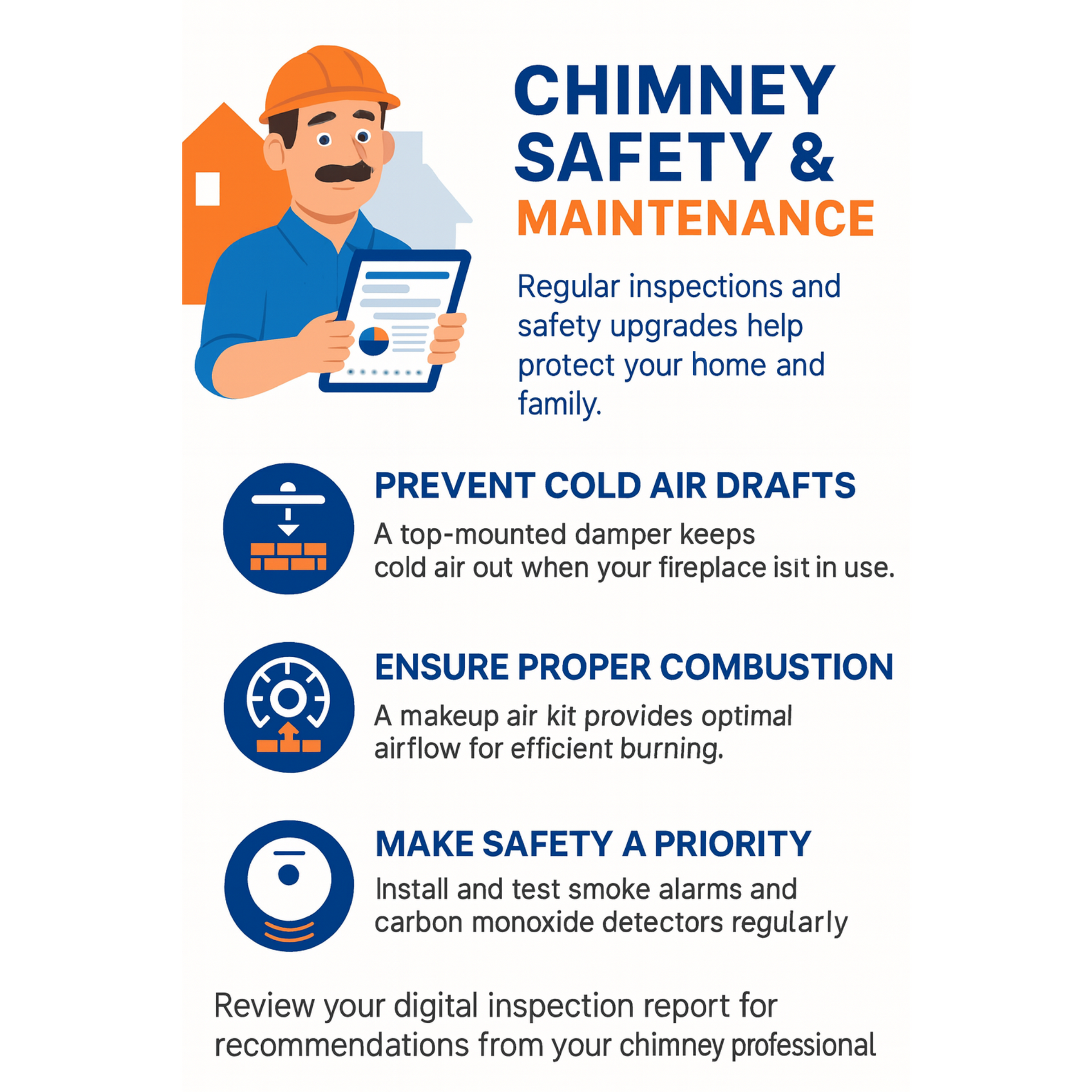
When it comes to keeping families safe and homes comfortable, your fireplace and chimney system play a big role. Jim Ferguson, a veteran in the chimney industry, has shared valuable insights on why regular maintenance and inspections are essential. Here’s what homeowners need to know: Why Regular Inspections Matter Chimneys and fireplaces should be checked regularly to meet current safety standards and prevent problems before they become dangerous. As the technician, your reports play a vital role in highlighting any safety concerns and recommending solutions. Key Recommendations for Homeowners: Prevent Cold Air Drafts
Installing a top-mounted chimney damper keeps cold air out when the fireplace isn’t in use, improving comfort and energy efficiency. Unused Flues? Keep Them Airtight
An airtight damper on unused flues helps stop cold air infiltration, keeping your home warmer and reducing energy loss. Ensure Proper Combustion Air Supply
A makeup air kit ensures your fireplace gets the air it needs for clean, efficient combustion - especially important in tightly sealed homes. Address Smoke Odors
If you experience smoke odors from crossover drafts, your chimney professional may recommend additional sealing or flue relining after installing dampers. Family Safety Comes First Jim emphasizes the importance of installing and regularly testing smoke alarms and carbon monoxide detectors. These devices provide early warnings and can save lives in the event of a chimney or fireplace issue. Final Word Regular chimney inspections and the right safety upgrades protect your home, your energy costs, and — most importantly — your family. With comprehensive chimney reports, chimney professionals can deliver clear, comprehensive reports so homeowners can make informed decisions about their home’s safety and comfort.